
 Culture
 Wild Swimming in Dublin — The 40-Foot and Seapoint
5 min read
Ireland's Love of Sea Swimming
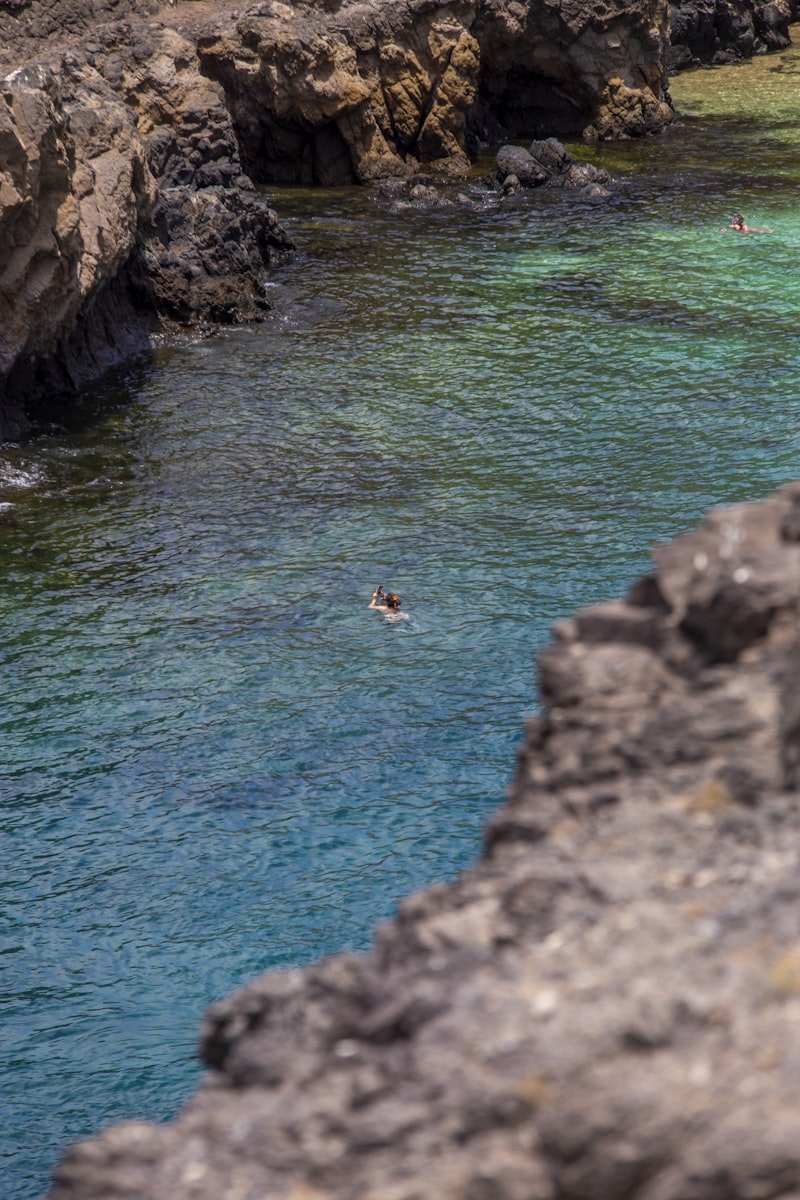
If you walk by Seapoint Baths at 7am on a January morning, you'll see something remarkable: people in swimsuits, cheerfully plunging into 8°C water. Wild swimming — swimming in the sea, rivers, or lakes — is a serious part of Irish life. As a student in Dublin you're within easy reach of some genuinely special spots.
The 40-Foot, Sandycove
The 40-Foot in Sandycove is Dublin's most iconic outdoor bathing spot — a rocky platform at the end of a granite pier, open every day of the year. Entry costs EUR 3–5 (paid at the kiosk during staffed hours; you can jump in free at dawn before it opens). Changing facilities are on site.
- Getting there: DART train to Sandycove & Glasthule station, then a 5-minute walk.
- Water temperature: Around 17–18°C in August/September; down to 7–8°C in January and February.
- Locals call it "the Forty" and many swim here every single day. James Joyce immortalised the spot in the opening pages of Ulysses.
Seapoint Baths, Monkstown
Seapoint is a larger, free bathing area a short DART ride from the city (alight at Seapoint station, 2-minute walk). Concrete steps lead down to the sea, and the atmosphere on a sunny evening is unbeatable — families, teenagers, and regulars who've been swimming here for decades, all in the same patch of water. No entry fee.
Sandymount Strand
A long sandy beach in south Dublin reachable on bus routes 1 and 3 from the city centre. Best for a coastal walk when the tide is out; at high tide you can wade in and swim. A good option if you live on the south side and want somewhere close.
Bull Island and Clontarf
On the north side of Dublin, Bull Island is a UNESCO Biosphere Reserve with a long beach and walking trails. Bus 130 from O'Connell Street takes you there. Dollymount Strand on the island is popular with kite surfers and walkers, and quieter than the south Dublin spots.
First-Time Cold-Water Tips
- Enter gradually: Cold water shock is real — walking in slowly lets your body adjust. Jumping straight from the pier into 8°C water can knock the breath out of you.
- Bring warm clothes: The post-swim glow is one of life's genuine pleasures, but you cool down fast. A dry jacket, dry socks, and a flask of hot tea make a huge difference.
- Swim near others: Don't swim alone, especially at unfamiliar spots. All the locations above typically have other swimmers nearby in the mornings.
- Get a tow float: A brightly coloured swim buoy (about EUR 15 at Decathlon on Parnell Street) keeps you visible to boats and is standard kit for regular sea swimmers.
- Expect conversation: Strangers talk to each other after a swim. It's one of the most social things you can do in Ireland.
When to Go
Summer (June–August) is the busiest season, with the sea warmest in September. But many enthusiasts prefer the quieter winter months — the water is clearer, the regulars are friendlier, and emerging from the sea in January into crisp air with a cup of tea in your hand is an experience you'll tell people about for years. The Irish saying holds: there's never a bad day for a swim. Don't wait for sunshine.

The Leap Card — Dublin's All-in-One Transport Pass
The Leap Card cuts your bus, DART and Luas fares by up to 31% and lets you hop between services without fumbling for change. Here's how to get one and get the most from it.